Cellular, Biophysical and in Silico Binding Study of β-Estradiol-6-one 6-(O-carboxy methyl Oxime) with Tubulin in Search of Antimitotic Derivative of 2-Methoxy Estradiol
Published in Cell Biochemistry and Biophysics, 2023
Goal
To address the severe side effects of colchicine, a potent tubulin-destabilizing anti-cancer drug, by identifying alternative compounds with similar pharmacophores.
My contribution
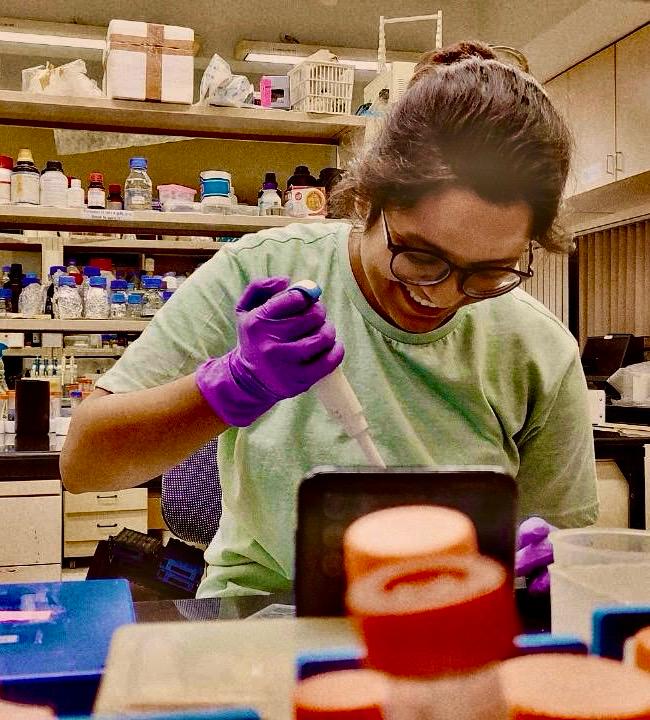
I conducted enzyme kinetic and thermodynamic assays, including fluorescence quenching and isothermal titration calorimetric `analyses, alongside in vitro studies to evaluate cytotoxic potential of estrogen derivatives. Additionally, I performed in silico investigations to validate and understand the molecular interactions and chemistry of the compounds being studied.
Results
β-Estradiol-6-one-6-(O-carboxy methyl Oxime) emerged as the most effective compound from the screening. In silico analyses revealed its potential to target the colchicine-binding site on tubulin, while in vitro studies confirmed its anti-mitotic effects. This research was further developed post-graduation and culminated in a publication in Cell Biochemistry and Biophysics.
Impact
This study introduced Oxime as a promising anti-cancer agent capable of overcoming the limitations and side effects associated with colchicine. It highlighted the therapeutic potential of structurally modified estrogen derivatives as tubulin-targeting agents, paving the way for the development of less toxic and more effective cancer treatments. These findings contribute to expanding the arsenal of anti-mitotic agents with improved safety profiles and efficacy.
To read article. Please look here.